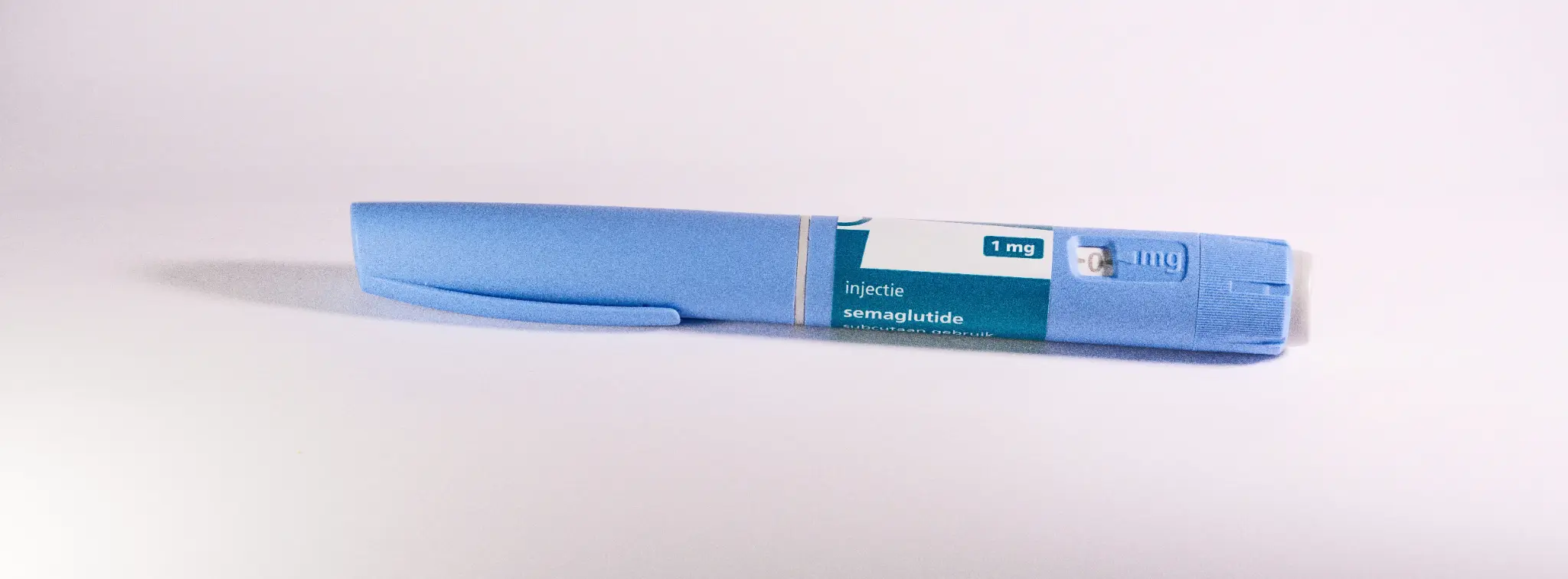
If your child's physician has recommended GLP-1 medication, you probably have questions. What does it actually do? Is it safe? How is it different from a diet pill?
Here's the short answer: GLP-1 medications aren't diet pills. They're synthetic versions of a hormone your child's body already produces, one that regulates hunger, fullness, blood sugar, and fat storage. For adolescents whose biology makes weight management exceptionally difficult despite lifestyle changes, these medications help restore the signals that were never working properly.
What is GLP-1?
GLP-1 stands for glucagon-like peptide-1. It's a hormone naturally released by your gut after eating. Its job is to tell your brain you're full, slow digestion so food satisfies you longer, and help your pancreas manage blood sugar.
In many adolescents with obesity, this signaling system is impaired. Their bodies produce less GLP-1, or their brain responds less strongly to it. The result: persistent hunger, rapid digestion, insulin resistance, and fat accumulation, regardless of effort or willpower.
GLP-1 receptor agonists (the medications) mimic this natural hormone at therapeutic levels, restoring the balance that biology disrupted.
How it works across four key systems
GLP-1 receptor agonists act on multiple organs simultaneously, addressing the root biological drivers of obesity
Reduces appetite signals
Activates satiety centers in the hypothalamus, quieting the constant hunger signals that drive overeating.
Slows gastric emptying
Food moves through the stomach more slowly, creating longer-lasting fullness after smaller portions.
Regulates insulin response
Enhances glucose-dependent insulin secretion, improving blood sugar control without hypoglycemia risk.
Reduces fat accumulation
Decreases hepatic lipogenesis, directly addressing fatty liver disease common in adolescent obesity.
The brain: Restoring the "full" signal
The hypothalamus is your brain's appetite control center. It receives signals from hormones like GLP-1 to determine when you've eaten enough.
In adolescents with obesity, these satiety signals are often blunted. Their brain keeps sending "eat more" messages even when their body has adequate fuel. This isn't a lack of discipline; it's a neurochemical imbalance.
GLP-1 medication activates receptors in the hypothalamus that strengthen the satiety response. Your teen feels genuinely satisfied after appropriate portions. The constant background noise of hunger quiets down. For many families, this is the first time their child isn't thinking about food all day.
The gut: Longer-lasting fullness
One of GLP-1's most noticeable effects is delayed gastric emptying. Food moves through the stomach more slowly, which means meals create a sustained sense of fullness rather than a brief spike followed by hunger.
For teens, this translates to practical changes: they finish a meal and actually feel done. They're not rummaging through the kitchen an hour later. The energy crashes between meals (the ones that drive snacking and poor food choices) become less frequent.
This isn't suppressing appetite artificially. It's restoring the normal digestive timing that allows the body to register fullness before overeating occurs.
The pancreas: Better blood sugar control
Many adolescents with obesity already show early signs of insulin resistance. Their pancreas has to work harder to keep blood sugar stable, and it's losing the battle. This is the precursor to type 2 diabetes, which is increasingly diagnosed in teens.
GLP-1 medication enhances glucose-dependent insulin secretion. That means the pancreas releases insulin more effectively when blood sugar rises (after a meal), but doesn't over-correct when blood sugar is normal. This is why GLP-1 medications carry virtually no risk of hypoglycemia; they only act when needed.
By improving insulin function early, GLP-1 treatment can help prevent the progression from insulin resistance to full type 2 diabetes, a critical window in adolescent health.
The liver: Reducing hidden fat
Metabolic dysfunction-associated steatotic liver disease (MASLD) affects up to 34% of adolescents with obesity, and most families don't know it's there. The liver quietly accumulates fat through a process called hepatic lipogenesis, converting excess blood sugar into stored fat.
GLP-1 medication reduces this process directly. Less fat builds up in the liver, which protects long-term liver function and reduces the risk of progression to more serious conditions like metabolic dysfunction-associated steatohepatitis (MASH).
For parents, this is one of the less visible but most important benefits of treatment. Your child's liver health improves even before the scale changes significantly.
What this means for your family
GLP-1 medication isn't a shortcut. It's a medical intervention that addresses the biological drivers of obesity, the same way insulin addresses diabetes or an inhaler addresses asthma.
FDA-approved for adolescents
Semaglutide (Wegovy) is approved for ages 12+ with a BMI at or above the 95th percentile. Liraglutide (Saxenda) is also approved for this age group.
Works best with lifestyle support
The STEP TEENS trial showed a 16% average BMI reduction when medication was combined with nutrition counseling, activity guidance, and behavioral support.
Effects are gradual
Dosing starts low and increases over weeks. Your child's physician monitors progress, adjusts as needed, and watches for side effects at every step.
Mimics what the body already makes
GLP-1 receptor agonists aren't introducing a foreign substance. They're amplifying a natural hormone that your child's body underproduces or under-responds to.
Not necessarily permanent
Some adolescents use GLP-1 medication for a defined period while building sustainable habits. Others may need longer-term support. Your physician will guide this decision.
The bottom line
Your teen's weight isn't a character flaw. For many adolescents, it's a biological condition driven by hormonal signals that lifestyle changes alone can't fully correct. GLP-1 medication restores those signals: helping the brain register fullness, the gut maintain satisfaction, the pancreas manage blood sugar, and the liver reduce fat accumulation.
Combined with the nutrition guidance, activity support, and clinical monitoring that Thryvwell provides, it gives your child the comprehensive care their biology requires.
Ready to see if your child qualifies?
Our eligibility screener takes less than 2 minutes. No commitment required.
Sources
Weghuber, D. et al. "Once-Weekly Semaglutide in Adolescents with Obesity." New England Journal of Medicine, 2022.
American Academy of Pediatrics. "Clinical Practice Guideline for the Evaluation and Treatment of Children and Adolescents with Obesity." Pediatrics, 2023.
Schwimmer, J.B. et al. "Prevalence of Fatty Liver in Children and Adolescents." Pediatrics, 2006.
The information on this page is for educational purposes only and does not constitute medical advice. Always consult with a qualified healthcare provider before starting any treatment. Individual results may vary.