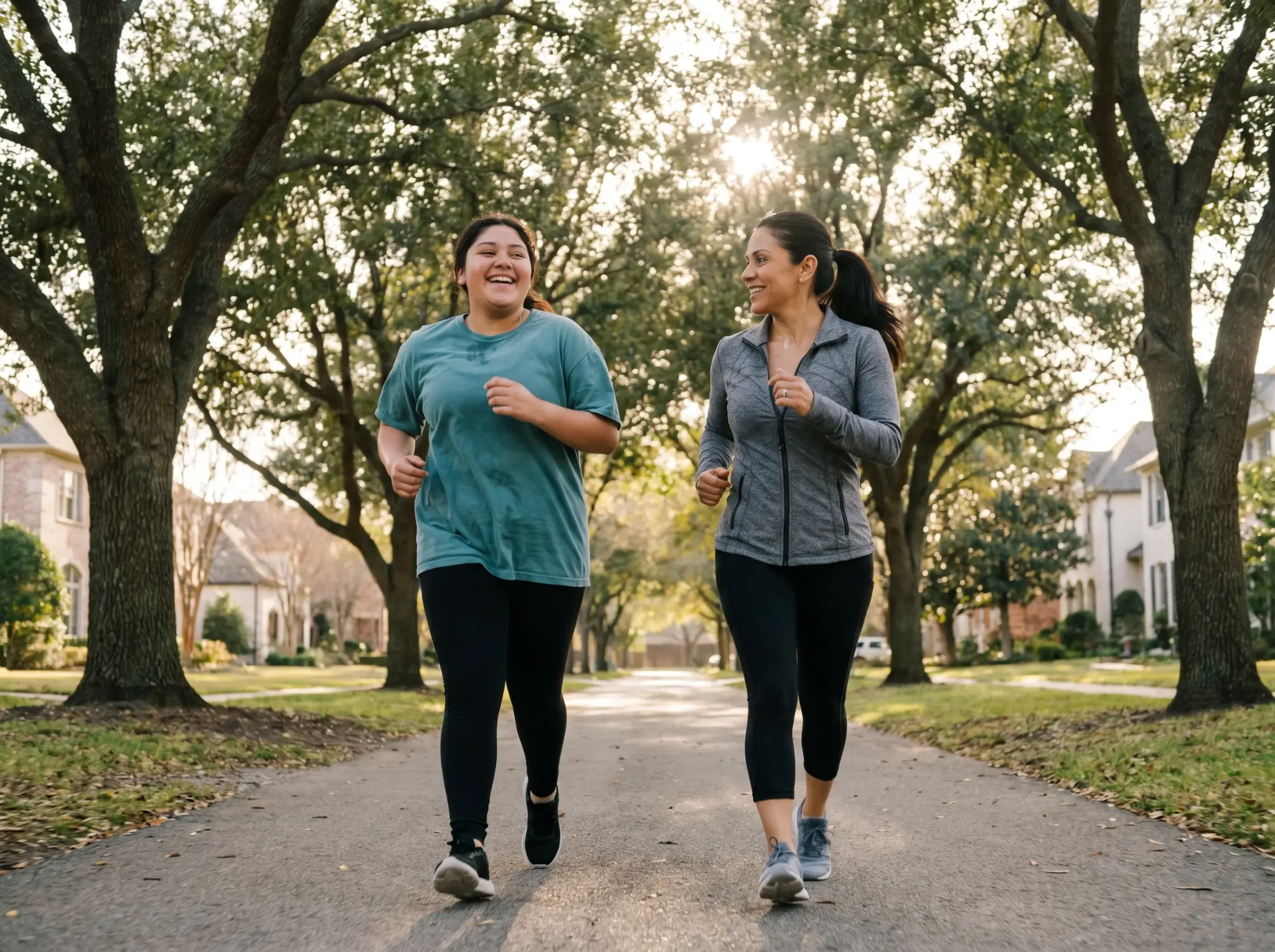
You've tried. The meal plans, the family walks, the reduced screen time, the conversations about healthier choices. Maybe some of it worked for a while. Maybe it didn't. Either way, your child's weight hasn't changed in the direction you hoped.
If this sounds familiar, you're not failing as a parent. You're experiencing the biological reality of obesity, a condition that, for many adolescents, requires more than behavioral changes alone to address.
The biology behind the struggle
Obesity isn't simply "calories in, calories out." For adolescents with obesity, multiple biological systems work against weight loss:
This isn't a failure of effort. It's a mismatch between the intervention (lifestyle alone) and the condition (a complex metabolic disease).
What the guidelines now say
In January 2023, the American Academy of Pediatrics (AAP) released updated clinical practice guidelines that fundamentally changed the approach to pediatric obesity treatment:
"Pediatricians and other primary care providers should offer adolescents 12 years and older with obesity pharmacotherapy, according to medication indications, risks, and benefits, as an adjunct to health behavior and lifestyle treatment."
- AAP Clinical Practice Guideline for the Evaluation and Treatment of Children and Adolescents With Obesity (2023)
This was a landmark shift. The AAP now recommends that medication be offered not as a last resort, but as part of comprehensive treatment when lifestyle changes alone are insufficient. The previous "watchful waiting" approach was found to allow obesity to worsen during critical developmental years.
Wondering if this applies to your child? The 2-minute eligibility check tells you if Thryvwell could be a fit. No commitment, no payment info.
Signs it's time to consider medical support
There's no single threshold, but the following indicators suggest lifestyle changes alone may not be sufficient:
If any of these resonate, it doesn't mean you've failed. It means your child's biology needs additional support, the same way a child with asthma needs an inhaler alongside breathing exercises.
Medical support doesn't replace lifestyle - it enables it
A common misconception is that medication replaces healthy habits. The opposite is true. GLP-1 medications reduce the biological barriers (constant hunger, metabolic resistance) that make lifestyle changes feel impossible. With those barriers lowered, healthy habits become achievable for the first time.
This is why comprehensive programs like Thryvwell combine medication with nutrition guidance, behavioral support, and activity guidance. The medication creates the conditions for change. The lifestyle support makes that change stick.
Sources
- Hampl, S.E. et al. "Clinical Practice Guideline for the Evaluation and Treatment of Children and Adolescents With Obesity." Pediatrics (2023)
- Weghuber, D. et al. "Once-Weekly Semaglutide in Adolescents with Obesity." NEJM (2022)
- Loos, R.J.F. & Yeo, G.S.H. "The genetics of obesity." Nature Reviews Genetics (2022)
Ready to explore your options?
A free eligibility check helps determine if medical support is appropriate for your child
The information on this page is for educational purposes only and does not constitute medical advice. Always consult with a qualified healthcare provider before starting any treatment.