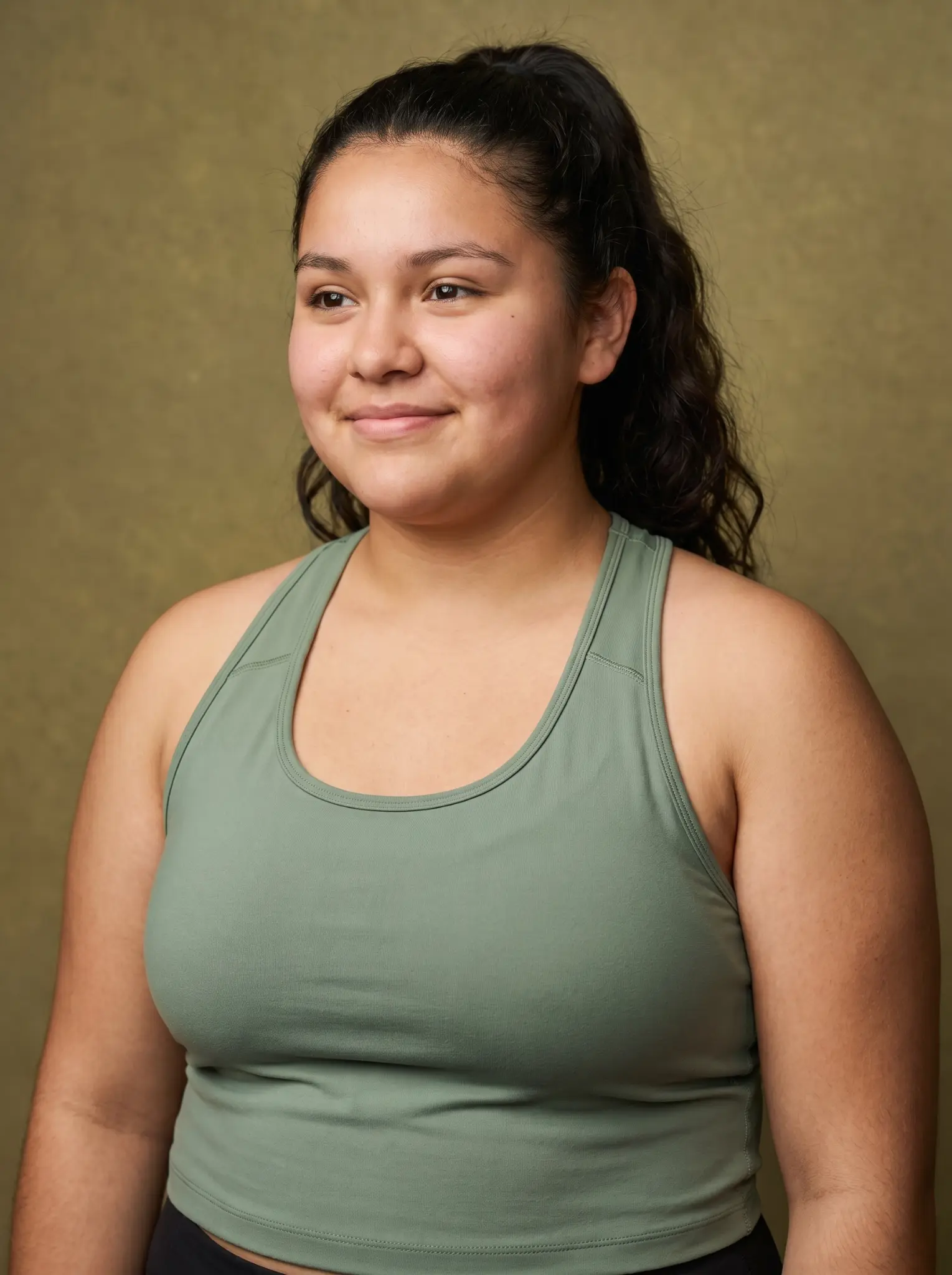

You have probably heard the phrase "freshman 15" since before you even set foot on campus. Here is what most people get wrong: it is not about eating too much pizza at 2 a.m. It is about a collision between your biology and an environment your body was never designed for.
The Freshman 15 Is Real, But Not the Way You Think
Let's start with what the research actually shows. A 2015 meta-analysis published in BMC Obesity, pooling data from over 5,500 students across 22 studies, found that 60.9% of first-year students gain weight, and those who gain average about 7.5 pounds in the first year alone [1]. That is not 15 pounds for everyone, but it is real, consistent, and happening at a rate significantly faster than weight gain in the general population [1]. For some students, the number is much higher. And for many, it is the beginning of a pattern that continues well beyond freshman year.
60.9%
of college freshmen gain weight during their first year, at a rate significantly faster than the general population [1].
Here is the bigger picture that nobody tells you at orientation: obesity among 18 to 25 year olds in the United States has increased from 5.5% in the late 1970s to approximately 33% by 2018, according to NHANES data published in JAMA [2]. That means roughly one in three people your age now meets the clinical criteria for obesity. This is not a personal failing. It is a population-level shift driven by biology, environment, and a healthcare system that has been painfully slow to offer young adults real solutions.
If you have been searching for how to lose weight in college and finding the same recycled advice (take the stairs, skip the soda, use a smaller plate), this article is for you. We will cover why college weight gain happens biologically, why willpower-based approaches keep failing you, and what modern medical options, including GLP-1 medications for college students 18 and older, actually look like.
The Biology of College Weight Gain
College weight gain is not about discipline. It is about what happens when four biological systems get disrupted simultaneously.
Stress Hormones Are Working Against You
College is one of the most chronically stressful environments most people encounter before age 25. Exams, social pressure, financial stress, and the general chaos of building a new life all elevate cortisol, your body's primary stress hormone. Research shows that elevated cortisol promotes fat storage, particularly around the abdomen, and drives cravings for calorie-dense foods [3]. A 2020 study in the International Journal of Environmental Research and Public Health found that college students with high perceived stress levels exhibited significantly increased unhealthy dietary behaviors, including greater consumption of ready-prepared and energy-dense meals [4].
This is not about being "stressed out." It is about a hormonal cascade that literally changes how your body stores energy.
Sleep Deprivation Rewires Your Hunger Signals
If you are pulling all-nighters before exams or sleeping five hours because your roommate keeps different hours, your brain is not just tired. It is actively signaling you to eat more.
Key Takeaway
The Dining Hall Is an Obesogenic Environment
Unlimited meal plans, buffet-style dining, oversized plates, and 24/7 access to food create what researchers call an "obesogenic environment." Your brain evolved in a world of food scarcity. When surrounded by unlimited, highly palatable options, the natural response is to eat more. This is not a character flaw. It is evolutionary biology meeting modern food systems.

Alcohol Adds Invisible Calories
According to NIAAA data from the 2023 National Survey on Drug Use and Health, 29.3% of full-time college students ages 18 to 25 reported binge drinking in the past month [6]. Alcohol contains roughly 7 calories per gram (almost as much as fat), and a single night out can easily add 800 to 1,500 calories that your body processes differently than food calories. Alcohol also disrupts sleep quality, elevates cortisol, and impairs next-day food choices, creating a compounding cycle [6].
Why Willpower Fails (It's Not a You Problem)
If you have tried to manage your weight through sheer determination, calorie counting apps, or campus gym routines, and it has not worked, you need to hear something clearly: the problem is not your willpower. The problem is that willpower is not designed to override biology long-term.
Your Body Has a Set Point
Your brain maintains what researchers call a "defended body weight," a range it considers normal and actively works to protect. When you restrict calories significantly, your body responds by slowing your metabolism, increasing hunger hormones, and decreasing satiety signals [7]. This is not a theory. It is measurable physiology. The more you diet, the harder your body fights back.
Your body does not know the difference between a diet and a famine. It responds to both the same way: by fighting to regain every pound.
The Willpower Myth Causes Real Harm
The cultural narrative that weight is purely about choices causes enormous psychological damage, especially in college where social comparison is constant. When you "fail" at a diet, you internalize it as a personal failure rather than recognizing it as a predictable biological outcome. This cycle of restriction, failure, and self-blame can spiral into disordered eating patterns, anxiety, and avoidance of seeking actual help.
Obesity Is a Chronic Medical Condition
The American Medical Association, the American Academy of Pediatrics, and every major medical society now recognize obesity as a chronic, relapsing medical condition with strong genetic and neurobiological drivers [8]. It is not a lifestyle choice any more than asthma or ADHD is a lifestyle choice. And like those conditions, it responds to medical treatment when lifestyle modification alone is not sufficient.
Key Takeaway
When Lifestyle Changes Aren't Enough
Let's be real: for some people, better sleep, less alcohol, and more movement will be enough to manage weight in college. For others, it will not be, and that distinction has nothing to do with effort.
You might benefit from exploring medical options if:
- You have been consistently trying to manage your weight through diet and exercise for six months or more without meaningful results
- Your BMI is 30 or above (or 27+ with a weight-related health condition like high blood pressure, prediabetes, or PCOS)
- You experience persistent "food noise," a constant preoccupation with food that interferes with your ability to focus on school and life
- You have a family history of obesity, suggesting a strong genetic component
- Your weight is affecting your physical health, mental health, or daily functioning
None of these criteria are about vanity. They are about recognizing when a medical condition requires medical care. The good news: if you are 18 or older, you are a legal adult. You can seek medical care on your own terms, make your own treatment decisions, and access options that did not exist even three years ago.

Wondering if you qualify?
Check Your Eligibility →GLP-1 Medications at 18+: What You Should Know
If you have been anywhere on social media in the last two years, you have heard of Ozempic, Wegovy, or Zepbound. Here is what actually matters for you as a college student considering your options.

What Are GLP-1 Medications?
GLP-1 stands for glucagon-like peptide-1, a hormone your body naturally produces after eating. It signals your brain that you are full, slows digestion, and helps regulate blood sugar. GLP-1 medications mimic this hormone at higher, steadier levels than your body produces on its own [9].
For people whose biology drives persistent hunger and food preoccupation, these medications work at the neurological level to reduce what many describe as "food noise." They do not eliminate appetite entirely. They restore it to a level where you can actually make choices rather than fighting constant biological urges.
What's Available If You're 18+
At 18, you have access to the full range of FDA-approved weight management medications available to adults. Here is a quick comparison:
| Medication | How It Works | How It's Taken | FDA-Approved for Weight Management |
|---|---|---|---|
| Wegovy (semaglutide 2.4 mg) | GLP-1 receptor agonist | Once-weekly injection | Yes, ages 12+ [9] |
| Zepbound (tirzepatide) | Dual GIP/GLP-1 receptor agonist | Once-weekly injection | Yes, adults 18+ [10] |
| Saxenda (liraglutide 3 mg) | GLP-1 receptor agonist | Daily injection | Yes, ages 12+ [11] |
Your physician will help determine which option makes the most sense based on your health history, goals, and insurance coverage. These medications are FDA-approved for chronic weight management in adults with a BMI of 30 or above, or 27 or above with at least one weight-related condition [9] [10].
Important Context
GLP-1 medications are not magic. They work best as part of a comprehensive approach that includes nutrition guidance, movement, and ongoing medical support. They are also not a short-term fix. Because obesity is a chronic condition, stopping medication often leads to weight regain. A study published in Diabetes, Obesity and Metabolism found that participants regained approximately two-thirds of their prior weight loss within one year of stopping semaglutide [12]. Any responsible treatment plan accounts for this reality.
Managing Treatment on a College Schedule
One of the biggest barriers to healthcare in college is logistics. Between classes, work, and everything else, finding time to sit in a waiting room is not realistic. That is exactly why telehealth exists.
Why Telehealth Works for College Students
With a telehealth-based program, you can:
- Complete your initial evaluation from your dorm room, apartment, or library
- Schedule follow-up appointments around your class schedule, not the other way around
- Avoid the awkwardness of sitting in a campus health clinic waiting room
- Continue care seamlessly if you go home for breaks, study abroad, or transfer schools
- Message your care team between visits when questions come up
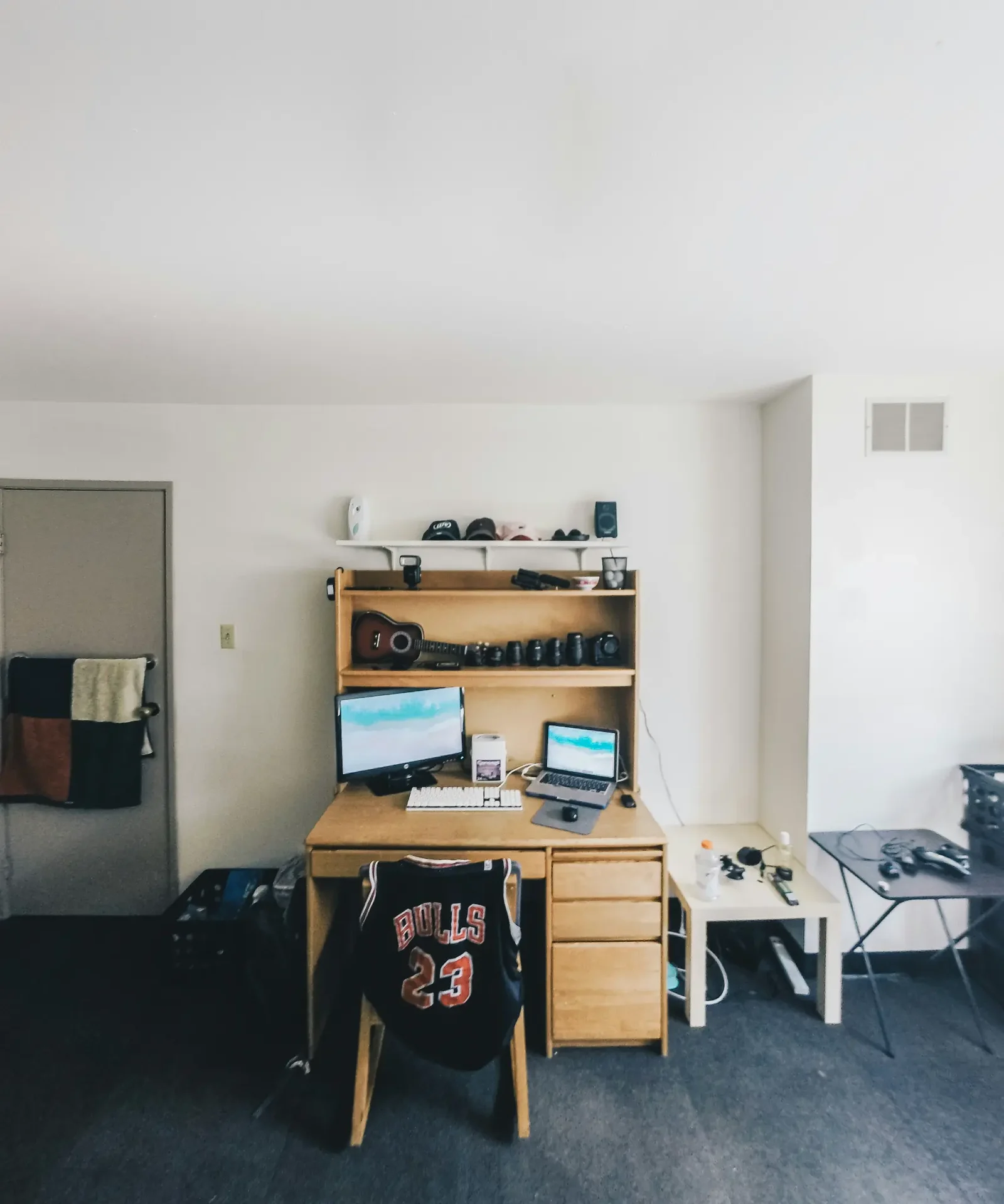
No Campus Clinic Visits Required
You do not need to go through your university health center. While campus clinics are great for strep throat and flu shots, most are not equipped to provide specialized weight management care with ongoing monitoring, nutrition support, and medication management. A dedicated telehealth program designed for young adults offers the depth of care this requires without the limitations of a campus clinic.
What Treatment Actually Looks Like Week to Week
If you are imagining something complicated or time-consuming, here is the reality: most people on GLP-1 treatment spend about 15 to 20 minutes per month on medical appointments, take a once-weekly injection that takes less than a minute, and check in with their care team as needed via messaging. It fits into a college schedule the same way any other weekly routine does.

Key Takeaway
Affording Treatment as a Student
Let's address the elephant in the room: GLP-1 medications are expensive without coverage. But there are more paths to affordability than most students realize.
Your Parents' Insurance Covers You Until 26
Under the Affordable Care Act, you can remain on a parent's health insurance plan until age 26, regardless of whether you live with them, are financially independent, or are enrolled in school [13]. If your parent's plan covers weight management medications (and an increasing number do), this may be your most straightforward path to coverage.
Manufacturer Savings Programs
Both Novo Nordisk (Wegovy) and Eli Lilly (Zepbound) offer savings card programs that can significantly reduce out-of-pocket costs for eligible patients with commercial insurance or those who are self-paying [14] [15]. Eligibility criteria vary, and these programs change periodically, so it is worth checking current offers directly. Our companion guide, How to Afford GLP-1 Medications Without Insurance, walks through every option in detail.
College Health Insurance Plans
Many universities offer student health insurance plans that include prescription drug coverage. Whether these plans cover GLP-1 medications for weight management varies widely by school and plan year. It is worth calling your student insurance provider directly to ask about coverage for "anti-obesity medications" rather than assuming it is not covered.
Thryvwell's Approach
Thryvwell Health was built specifically for young people ages 12 to 26, and our team helps you navigate insurance coverage, savings programs, and affordability options as part of the onboarding process. We believe cost should not be the barrier that keeps you from care you qualify for medically.

Frequently Asked Questions
Can I get GLP-1 medication at 18?
Yes. At 18, you are a legal adult and can independently seek and consent to medical treatment, including FDA-approved weight management medications. You can get Wegovy at 18 (it is approved for ages 12 and older) [9], and Zepbound is approved for adults 18 and older [10]. Eligibility depends on meeting clinical criteria (typically a BMI of 30+, or 27+ with a weight-related condition), not just age.
Will my parents know if I get treatment?
If you are 18 or older, your medical information is protected by HIPAA. A provider cannot share your health information with your parents without your written consent. However, if you are using your parents' insurance, an Explanation of Benefits (EOB) statement may be sent to the policyholder. If privacy is a concern, discuss this with your provider during your initial consultation so you can understand your specific situation.
Can I use my college health insurance?
Possibly. Many university student health plans include prescription coverage, but whether they cover weight management medications varies widely. Call your student plan directly and ask specifically about "anti-obesity medications." Your care team can also help you navigate this.
Are there side effects I should know about?
The most common side effects of GLP-1 medications are gastrointestinal: nausea, occasional vomiting, and changes in bowel habits. These are typically mild, occur most often during the initial dose-escalation period, and tend to improve as your body adjusts [9]. Your physician will start you at a low dose and increase gradually to minimize these effects. More serious but rare side effects exist, which is why ongoing medical monitoring matters.
How do I fit treatment into my schedule?
Treatment involves a once-weekly injection (less than a minute), brief monthly appointments with your physician, and messaging access to your care team between visits. There are no in-person clinic visits required, no weekly weigh-ins at an office, and no group sessions to attend. Most students find it takes less time than a single weekly gym session.
Is this just for people who are very overweight?
FDA-approved GLP-1 medications for weight management are indicated for adults with a BMI of 30 or above, or a BMI of 27 or above with at least one weight-related condition such as high blood pressure, high cholesterol, prediabetes, or PCOS [9] [10]. A 2-minute eligibility check can help you understand whether you meet the clinical criteria.
References
- Vadeboncoeur C, Townsend N, Foster C. A meta-analysis of weight gain in first year university students: is freshman 15 a myth? BMC Obesity. 2015;2:22.
- Ellison-Barnes A, Johnson S, Gudzune K. Trends in Obesity Prevalence Among Adults Aged 18 Through 25 Years, 1976-2018. JAMA. 2021;326(20):2073–2074. (Retracted and replaced February 2023; corrected data cited.)
- Hewagalamulage SD, et al. Stress, cortisol, and obesity: a role for cortisol responsiveness in identifying individuals prone to obesity. Domest Anim Endocrinol. 2016;56(Suppl):S112–S120.
- Choi J. Impact of Stress Levels on Eating Behaviors among College Students. Int J Environ Res Public Health. 2020;17(4):1241.
- Spiegel K, Tasali E, Penev P, Van Cauter E. Sleep curtailment in healthy young men is associated with decreased leptin levels, elevated ghrelin levels, and increased hunger and appetite. Ann Intern Med. 2004;141(11):846–850.
- National Institute on Alcohol Abuse and Alcoholism. Prevalence of Drinking Among College Students. Citing 2023 NSDUH data. Accessed July 2026.
- Sumithran P, et al. Long-term persistence of hormonal adaptations to weight loss. N Engl J Med. 2011;365(17):1597–1604.
- Hampl SE, et al. Clinical Practice Guideline for the Evaluation and Treatment of Children and Adolescents With Obesity. Pediatrics. 2023;151(2):e2022060640.
- Novo Nordisk. Wegovy (semaglutide) Injection: Full Prescribing Information. Revised 2024.
- U.S. Food and Drug Administration. FDA Approves New Medication for Chronic Weight Management. November 8, 2023.
- Kelly AS, et al. A Randomized, Controlled Trial of Liraglutide for Adolescents with Obesity. N Engl J Med. 2020;382(22):2117–2128.
- Wilding JPH, et al. Weight regain and cardiometabolic effects after withdrawal of semaglutide. Diabetes Obes Metab. 2022;24(8):1553–1564.
- U.S. Department of Health and Human Services. Health Insurance Coverage for Children and Young Adults Under 26. HealthCare.gov. Accessed July 2026.
- Novo Nordisk. Wegovy Savings Offer. NovoCare.com. Accessed July 2026.
- Eli Lilly. Zepbound Savings & Insurance Options. Accessed July 2026.