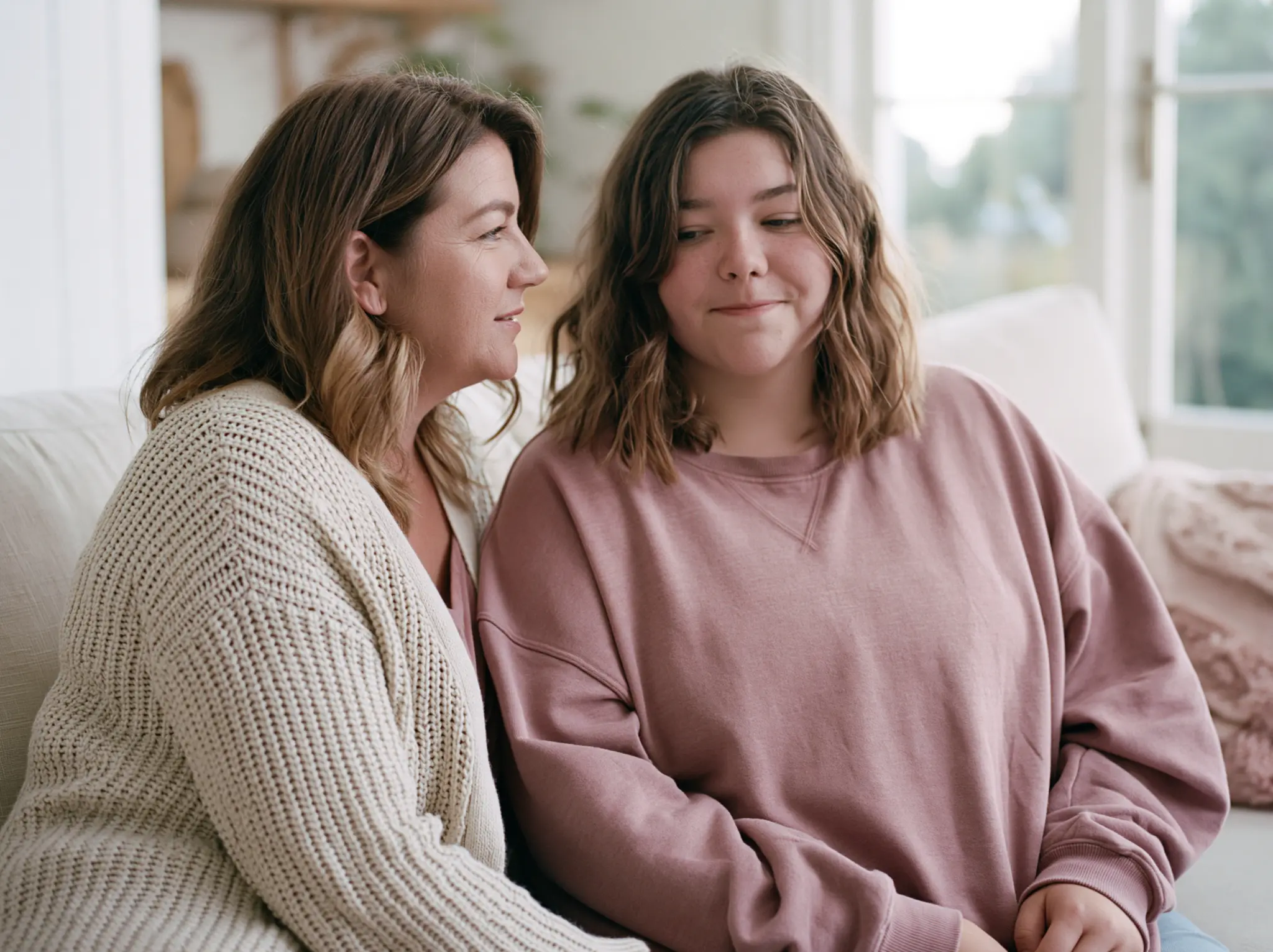

If you are researching GLP-1 for teens, or typing questions like "is Wegovy safe for teens" into a search bar late at night, you are probably carrying a mix of hope and worry. Hope, because you have watched your child struggle with their weight despite genuinely trying. Worry, because the idea of putting a 14 or 16 year old on a weekly injection raises questions that deserve real answers, not marketing.
Why More Parents Are Asking About GLP-1s for Teens
Let's start with something every parent deserves to hear first: your teen's weight is not a parenting failure, and it is not a willpower failure. The American Academy of Pediatrics (AAP) now recognizes obesity as a chronic disease driven by genetics, biology, and environment, not a character flaw [1]. Roughly one in five American adolescents lives with obesity, yet fewer than 1% of adolescents with obesity were prescribed an obesity medication as recently as 2023 [2]. That gap is why so many families feel like they are navigating this alone.
And the gap starts even earlier than prescribing. A 2025 analysis of more than 9 million health records through PopHIVE, a public health data platform led by the Yale School of Public Health, found that 27.6% of 18 to 24 year olds met clinical obesity criteria by measured BMI, yet only 12.5% carried a documented diagnosis — fewer than half of those who met criteria ever had it recognized in their chart [12]. If your child's clinician has never raised weight, that silence is common, and it is not the same thing as an all-clear. We unpack what this means for families in The Diagnosis Gap.
The landscape has changed. GLP-1 medications like Wegovy are now FDA-approved for adolescents ages 12 and older [3], major pediatric guidelines support their use as part of comprehensive care [1], and telehealth has made specialized adolescent weight care accessible from home. This guide walks you through what GLP-1 for teens actually involves, what the science says about safety, and how to decide, together with your child's care team, whether it is the right next step for your family.
Key Takeaway
What Are GLP-1 Medications, and How Do They Work?
GLP-1 stands for glucagon-like peptide-1, a hormone your body naturally produces after eating. It signals the brain that you are full, slows how quickly food leaves the stomach, and helps regulate blood sugar. GLP-1 medications (formally, GLP-1 receptor agonists) mimic this hormone at higher and steadier levels than the body produces on its own.
For a teenager whose biology drives persistent hunger and food preoccupation, this matters enormously. Many adolescents describe a constant "food noise" in their heads. GLP-1 medications quiet that noise at the biological level, which no amount of white-knuckle dieting can reliably do. Originally developed for type 2 diabetes, these medications were later studied and approved specifically for weight management, including in adolescents [3].
One thing we want to be clear about, because it shapes everything else in this guide: these medications are not a shortcut or a standalone fix. In every major clinical trial, GLP-1s were studied alongside nutrition counseling and physical activity support [4]. The AAP recommends them as an addition to intensive health behavior and lifestyle treatment, never as a replacement for it [1]. That is also how a responsible, guideline-concordant program should deliver them.
Is Wegovy Safe for Teens? What the Research Shows
This is the question at the heart of nearly every parent's search, so let's give it the attention it deserves.
Wegovy (semaglutide 2.4 mg) was studied in adolescents in a rigorous, randomized, placebo-controlled trial called STEP TEENS, published in the New England Journal of Medicine in 2022. The trial enrolled 201 adolescents ages 12 to under 18, nearly all with obesity, and followed them for 68 weeks. Both groups received lifestyle counseling; one group also received weekly semaglutide [4].
16.1%
Average BMI reduction among adolescents taking semaglutide in the STEP TEENS trial over 68 weeks, compared with a 0.6% increase in the placebo group. 73% achieved a clinically meaningful reduction in body weight of at least 5%, versus 18% on placebo [4].
The results led the FDA to approve Wegovy for ages 12 and up in December 2022 [3]. A follow-up analysis found that while on treatment, most participants improved by at least one BMI category, and over 40% dropped below the clinical threshold for obesity entirely [5]. These are trial results, not guarantees, and every teen responds differently. But they represent some of the strongest outcomes ever recorded for a non-surgical adolescent obesity treatment.
On safety, side effects in teens looked very similar to those seen in adults. Gastrointestinal symptoms such as nausea, vomiting, and diarrhea were the most common, affecting 62% of the semaglutide group versus 42% of the placebo group, and they were mostly mild to moderate and tended to fade as the body adjusted [4]. For a deeper dive, see our companion guide, Wegovy Side Effects in Teens.
Two honest caveats belong in any trustworthy answer to "is Wegovy safe for teens." First, we have strong short and medium term safety data, but long-term data spanning decades does not yet exist [6]. Second, safety depends on context: proper screening, gradual dose escalation, nutrition support to protect growth, and regular clinical monitoring. A medication that is safe within a structured medical program is not the same medication obtained from an unvetted online source with no follow-up.
Which GLP-1 Medications Are Approved for Teens?
Parents often arrive at this decision having heard a swirl of brand names: Ozempic, Wegovy, Zepbound, Saxenda. Only some are actually approved for adolescents, and the differences matter. Here is where things stand in 2026.
| Medication | Active Ingredient | FDA Status for Teens (12 to 17) | How It's Taken | Key Notes for Parents |
|---|---|---|---|---|
| Wegovy | Semaglutide 2.4 mg | Approved for ages 12+ with obesity (Dec 2022) [3] | Once-weekly injection | The most-prescribed FDA-approved obesity medication for teens [2]; strongest adolescent trial results [4] |
| Saxenda | Liraglutide 3 mg | Approved for ages 12+ with obesity (Dec 2020) [7] | Once-daily injection | Effective but more modest results than semaglutide in trials [8]; daily injections are harder for many teens to sustain |
| Zepbound | Tirzepatide | Not approved for under 18; adolescent trials ongoing [9] | Once-weekly injection (adults) | Approved for adults only; teens should not use it outside a clinical trial |
| Ozempic | Semaglutide (lower dose) | Not approved for weight management in teens | Once-weekly injection | Approved for type 2 diabetes in adults; any teen weight use is off-label |
| Compounded semaglutide | Varies | Never FDA-approved for anyone | Varies | Not evaluated by the FDA for safety, quality, or dosing accuracy [2]; we recommend parents avoid these for minors |
The practical takeaway: for an adolescent between 12 and 17, the conversation with a physician will almost always center on Wegovy or Saxenda, because those are the two GLP-1 medications with FDA approval and dedicated adolescent safety trials behind them. If your teen is 18 or older, additional options open up, which is something Thryvwell's clinicians address for our members in the 18 to 26 range.
Key Takeaway
Is My Teen Eligible for GLP-1 Treatment?
Not every teen who is unhappy with their weight is a candidate for medication, and that is by design. For Wegovy, the FDA approval covers adolescents 12 and older with an initial BMI at or above the 95th percentile for their age and sex, which is the clinical definition of pediatric obesity [3]. The AAP's guideline similarly recommends that clinicians offer weight management pharmacotherapy to adolescents 12 and older with obesity, always as an adjunct to health behavior and lifestyle treatment [1].
Beyond the BMI threshold, a responsible evaluation looks at the whole adolescent. A thorough clinician will review your teen's growth history, screen for weight-related conditions such as prediabetes, high blood pressure, sleep apnea, or PCOS, ask about family history including thyroid cancer and pancreatitis, and, critically, screen for disordered eating and mental health concerns before any prescription is written [6]. A teen with an active eating disorder needs different care first, and any program that skips this screening is not putting your child's safety first.
If you are searching for weight loss medication for a 16 year old, know that age 16 falls squarely within the approved range, but age alone is only the starting point. Eligibility is a clinical decision that weighs BMI percentile, health history, and readiness. That evaluation is exactly what Thryvwell's 2-minute eligibility check is designed to begin, followed by a full review with a licensed physician.
GLP-1 for Teens With PCOS
If your daughter has been diagnosed with polycystic ovary syndrome, you may have noticed how tightly weight and PCOS symptoms are intertwined. PCOS is one of the most common hormonal conditions in adolescent girls, and insulin resistance sits at its center. Excess weight worsens insulin resistance, which worsens symptoms like irregular cycles and acne, which makes weight management harder. It is a frustrating cycle, and it is biological, not behavioral.
Here is what parents should understand about GLP-1 for teens with PCOS. These medications are not FDA-approved to treat PCOS itself. However, a teen with PCOS who also meets the BMI criteria for obesity may qualify for Wegovy on that basis, and there is encouraging evidence that the benefits extend beyond weight. A 2025 analysis of the STEP TEENS trial found that semaglutide meaningfully improved insulin sensitivity in adolescents [10], the very mechanism at the heart of PCOS. If PCOS is part of your family's story, bring it up early in any medical evaluation, since it affects which labs your teen's physician will want and how the care plan is built.
Key Takeaway
Wondering if your teen qualifies?
Check Your Child's Eligibility →Side Effects and Safety Monitoring: What to Watch For
Every effective medication has side effects, and parents deserve the complete picture rather than a sanitized one.
The most common side effects are gastrointestinal: nausea, vomiting, diarrhea, constipation, and stomach discomfort. In the adolescent trial, these affected a majority of teens on semaglutide at some point, though most cases were mild to moderate and improved over time [4]. Clinicians reduce this burden by starting at a low dose and increasing gradually, and by guiding teens toward smaller meals, adequate hydration, and slower eating.
Less common but more serious risks deserve your awareness. In STEP TEENS, gallstones occurred in about 4% of adolescents taking semaglutide versus none on placebo [4]. Semaglutide also carries a boxed warning based on thyroid tumors observed in rodent studies; whether this applies to humans is unknown, but the medication is not prescribed to anyone with a personal or family history of medullary thyroid carcinoma or MEN 2 syndrome [11]. Pancreatitis is a rare but recognized risk, and clinicians also monitor mood, since the label advises watching for depression or suicidal thoughts [11].
Two considerations are unique to adolescents. First, teens are still growing, so appetite suppression must not come at the cost of the protein, nutrients, and energy their development requires. A good care plan includes nutrition guidance that protects growth, and clinicians should track height, not just weight [6]. Second, stopping matters as much as starting. Because obesity is a chronic condition, weight regain is common when these medications are discontinued abruptly [6]. Any decision to stop should be made with a physician and paired with a transition plan.

This is why the "how" of getting a GLP-1 matters as much as the "whether." Structured monitoring, regular check-ins, and open communication channels are what make this treatment safe for a developing adolescent.
Key Takeaway
How to Get Wegovy for Your Teenager: Your Options in 2026
Once a family decides to explore treatment, the practical question becomes access. Parents searching for how to get Wegovy for a teenager generally find three paths, each with tradeoffs.
The first is your pediatrician, a natural starting point, and we always encourage families to keep their pediatrician informed. The honest challenge is that many pediatricians have limited experience prescribing GLP-1s and limited visit time for the ongoing lifestyle support guidelines call for; CDC data confirms how rare prescribing remains in general practice [2]. If your pediatrician is experienced and willing, that is a great option.
The second is a pediatric weight management clinic at a children's hospital. These programs offer excellent multidisciplinary care, but they are concentrated in major cities, often carry waits of several months for a first appointment, and require recurring in-person visits that are hard to sustain around school and work schedules.
The third path, and the one Thryvwell was built to provide, is specialized telehealth designed for young people. When evaluating any option for Wegovy for teens online, hold it, including us, to a high bar. A trustworthy program should be guideline-concordant, meaning its clinical protocols follow the AAP's published recommendations. It should require a real medical evaluation by a licensed physician, involve parents in a minor's care at every step, screen for eating disorders before prescribing, dispense only FDA-approved medications rather than compounded alternatives, and pair medication with ongoing nutrition and lifestyle support rather than shipping a box and disappearing. Thryvwell's program, overseen by our Chief Medical Officer Dr. Glenda Pettaway, was designed around exactly these standards for young people ages 12 to 26, with physician visits, structured monitoring, and family involvement built in from the first appointment.
Whichever path you choose, the marker of quality is the same: medication prescribed as one component of comprehensive, physician-led care.
Questions to Ask Your Doctor
Whether you are talking with your pediatrician, a specialty clinic, or a Thryvwell physician, going in with the right questions helps you advocate for your teen. We suggest bringing this list.

- Does my teen meet the clinical criteria for GLP-1 treatment, and how do you determine that?
- How will you screen my teen for disordered eating and mental health concerns before starting?
- Which medication do you recommend for my teen, and why that one?
- How will you protect my teen's growth and nutrition while their appetite is reduced?
- What side effects should we expect in the first weeks, and which ones warrant a call to you?
- How often will my teen have check-ins, and what will you measure at each one?
- What lifestyle and nutrition support is included alongside the prescription?
- How long do you anticipate treatment lasting, and what does a responsible plan for stopping look like?
- How will you coordinate with our pediatrician and keep them informed?
- Who do we contact between visits if something feels wrong?
A clinician who welcomes these questions is a clinician you can trust. One who brushes past them is telling you something important.
How to Talk to Your Teen About Weight, Without Hurting Them
One more thing before the FAQs, because it may be the most important section in this guide. How you frame this journey with your teen can matter as much as the medical care itself.
Teens do better when the conversation centers on health, energy, and how they feel, rather than appearance, numbers on a scale, or comparisons to others. Avoid framing medication as fixing something wrong with who they are. Instead, frame it the way you would frame treatment for asthma or acne: their body has a medical condition, effective treatment exists, and seeking it is an act of self-respect, not an admission of failure.
Involve your teen in the decision genuinely, since adolescents who feel ownership over their care follow through more consistently. And if your teen shows signs of restrictive eating, bingeing, or purging, or distress about their body that feels bigger than the weight itself, raise it with a clinician before pursuing weight treatment. Their emotional wellbeing comes first, always.
Key Takeaway
Frequently Asked Questions
Is Wegovy FDA-approved for teens?
Yes. The FDA approved Wegovy (semaglutide 2.4 mg) in December 2022 for adolescents ages 12 and older with an initial BMI at or above the 95th percentile for their age and sex [3]. Saxenda (liraglutide) is also FDA-approved for the same age group [7].
What age can a teenager start GLP-1 medication?
FDA-approved GLP-1 medications for weight management are available for adolescents starting at age 12, provided they meet the clinical criteria for obesity and pass a full medical evaluation [3]. There is no approved GLP-1 weight management option for children under 12.
Can a 16 year old take weight loss medication?
Yes, a 16 year old who meets the clinical criteria can be prescribed FDA-approved weight management medication, including Wegovy, under physician supervision [1][3]. Eligibility depends on BMI percentile, health history, and screening rather than age alone.
How much weight will my teen lose on Wegovy?
There is no honest way to predict an individual outcome, and no reputable clinician will promise one. In the pivotal adolescent trial, teens taking semaglutide alongside lifestyle support saw an average BMI reduction of 16.1% over 68 weeks, while 73% achieved at least a 5% reduction in body weight [4]. Individual results vary widely, which is why ongoing monitoring matters.
Can teens take Ozempic for weight loss?
Ozempic is not FDA-approved for weight management in teens; it is approved for type 2 diabetes in adults. Wegovy contains the same active ingredient (semaglutide) at a dose specifically studied and approved for adolescent weight management, making it the appropriate choice [3].
Do teens have to stay on GLP-1 medication forever?
Not necessarily, but obesity is a chronic condition, and weight regain is common when medication stops abruptly [6]. Treatment duration is individualized, and any plan to stop should be made with a physician and include a structured transition, intensified lifestyle support, and follow-up.
Can my teen get Wegovy through telehealth?
Yes. Licensed telehealth providers can evaluate and prescribe FDA-approved medications for eligible adolescents, with parental involvement required for minors. Look for a guideline-concordant program with physician-led evaluations, eating disorder screening, and ongoing monitoring, rather than services that ship medication with minimal oversight.
Is compounded semaglutide safe for teens?
We recommend against compounded semaglutide for minors. Compounded medications are not evaluated by the FDA for safety, quality, or dosing accuracy [2], and adolescents deserve the fully studied, FDA-approved formulation with proper medical supervision.
My teen's doctor has never mentioned weight. Does that mean everything is fine?
Not necessarily. 2025 measured-BMI data shows that fewer than half of young adults who meet clinical obesity criteria have a documented diagnosis [12], so the absence of a conversation often reflects short visit times rather than a completed evaluation. Asking about BMI percentile trends and metabolic labs at the next visit is a reasonable, low-pressure way to close that gap.
If Your Teen Is in Crisis
References
- Hampl SE, et al. Clinical Practice Guideline for the Evaluation and Treatment of Children and Adolescents With Obesity. Pediatrics. 2023;151(2):e2022060640.
- Kompaniyets L, et al. Prescriptions for Obesity Medications Among Adolescents Aged 12 to 17 Years with Obesity, United States, 2018 to 2023. MMWR Morb Mortal Wkly Rep. 2025;74(20):337-344.
- U.S. Food and Drug Administration. Wegovy (semaglutide) Approval Letter for Chronic Weight Management in Pediatric Patients Aged 12 Years and Older. December 23, 2022.
- Weghuber D, et al. Once-Weekly Semaglutide in Adolescents with Obesity (STEP TEENS). N Engl J Med. 2022;387(24):2245-2257.
- Kelly AS, et al. Reducing BMI Below the Obesity Threshold in Adolescents Treated with Once-Weekly Subcutaneous Semaglutide 2.4 mg. Obesity. 2023;31(8):2139-2149.
- Mangarelli C. GLP-1 Medications for Obesity: A Parent's Guide. Ann & Robert H. Lurie Children's Hospital of Chicago. July 2026.
- Kelly AS, et al. A Randomized, Controlled Trial of Liraglutide for Adolescents with Obesity. N Engl J Med. 2020;382(22):2117-2128.
- Salama M, et al. Updates on Anti-Obesity Medications in Children and Adolescents. 2025.
- Eli Lilly and Company. A Study of Tirzepatide (LY3298176) Once Weekly in Adolescent Participants Who Have Obesity or Overweight. Clinical trial listing.
- Arslanian S, et al. Effect of Semaglutide on Insulin Sensitivity and Cardiometabolic Risk Factors in Adolescents With Obesity: The STEP TEENS Study. Diabetes Care. 2025.
- Novo Nordisk. Wegovy (semaglutide) Injection: Full Prescribing Information.
- PopHIVE (Population Health Information and Visualization Exchange). Chronic Diseases Dashboard: Obesity prevalence by measured BMI vs. documented diagnosis. Yale School of Public Health, 2025 data release.