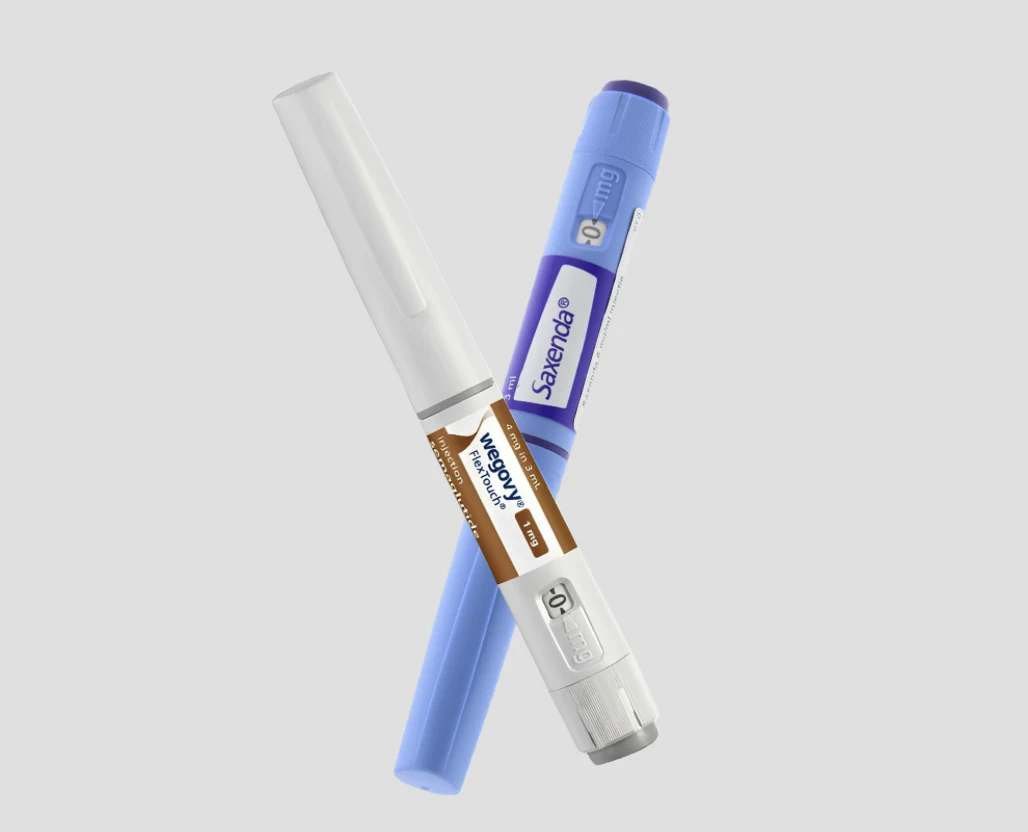

Searching for a GLP-1 age requirement can produce a confusing mix of medication names, adult-only ads, and incomplete answers. The short version: some medicines have an FDA-approved chronic weight-management indication for adolescents ages 12 and older, while others are approved only for adults. A clinician—not a search result—determines whether a particular medication is appropriate.
Why age matters
Age is not simply an administrative cutoff. For adolescents, clinicians consider growth and development, BMI percentile over time, medical history, other medicines, possible contraindications, laboratory needs, family context, and the FDA label for the specific medication. At 18, adult labels and adult dosing pathways may become available, but a birthday does not by itself establish that any treatment is a fit.
Ages 12–17: what the labels say
For chronic weight management, FDA labeling includes Wegovy (semaglutide) and Saxenda (liraglutide) for adolescents ages 12 and older with obesity, alongside a reduced-calorie eating pattern and increased physical activity. The labels are medication-specific, and the clinician must still evaluate whether treatment is appropriate for the individual.
Not every GLP-1 medicine advertised for weight management has the same pediatric indication. For example, the current Zepbound (tirzepatide) label is for adults for chronic weight management; families should not assume that an adult option is automatically approved for a teen. Always confirm the current label with a qualified clinician or pharmacist, because labels and availability can change.
For teens, adult BMI categories are not the usual screening tool. Pediatric assessment uses age- and sex-specific BMI percentile and the full clinical picture. Our CDC-based teen BMI percentile calculator can help a family understand the term before an appointment; it is educational only and does not make a diagnosis or send information to Thryvwell.
Ages 18–26: what changes
Once a person is 18, adult prescribing information may apply for medicines whose labels are restricted to adults. That expands the set of medications a clinician may consider, but it does not replace individualized care. A young adult may still need medication-history review, contraindication screening, laboratory testing when indicated, and a plan for nutrition, follow-up, and side-effect management.
Young adults also face practical changes: health insurance may be through a parent, school, employer, Medicaid, or an individual plan; prior-authorization rules differ; and pharmacy availability can change. Learn more in our general coverage guide, which does not ask for an insurer, member ID, or other personal information.
What a clinical evaluation considers beyond age
- the applicable FDA label and the reason treatment is being considered;
- weight and growth history, including BMI percentile for adolescents;
- current medications, relevant medical history, and possible contraindications;
- nutrition, activity, sleep, mental-health, and support needs; and
- insurance, pharmacy, and follow-up logistics where relevant.
This is why a reputable program should not promise a specific prescription before a clinical evaluation. Treatment decisions belong in a secure clinical setting with an independent licensed clinician—not on a public marketing page.
Key Takeaway
Frequently asked questions
What age can someone take Wegovy for chronic weight management?
The FDA has approved Wegovy for chronic weight management in certain adolescents ages 12 and older and in adults. The labeled indication, required clinical criteria, risks, and individual medical history still need to be reviewed by a licensed clinician.
Is every GLP-1 medication approved for teens?
No. Approval depends on the individual medication and indication. Do not assume an adult weight-management medication is approved for someone under 18; check the medication's current label with a clinician or pharmacist.
Does turning 18 guarantee access to medication?
No. At 18, adult labeling may apply to more options, but clinical appropriateness, safety, insurance coverage, pharmacy availability, and clinician judgment still determine the next step.
Wondering if your teen qualifies?
Check Your Child's Eligibility →References
- U.S. Food and Drug Administration. FDA approves new treatment for chronic weight management in pediatric patients aged 12 years and older. December 2022.
- U.S. Food and Drug Administration. Wegovy (semaglutide) prescribing information. Accessed October 2026.
- U.S. Food and Drug Administration. Zepbound (tirzepatide) prescribing information. Accessed October 2026.
- Hampl SE, et al. Clinical Practice Guideline for the Evaluation and Treatment of Children and Adolescents With Obesity. Pediatrics. 2023;151(2):e2022060640.