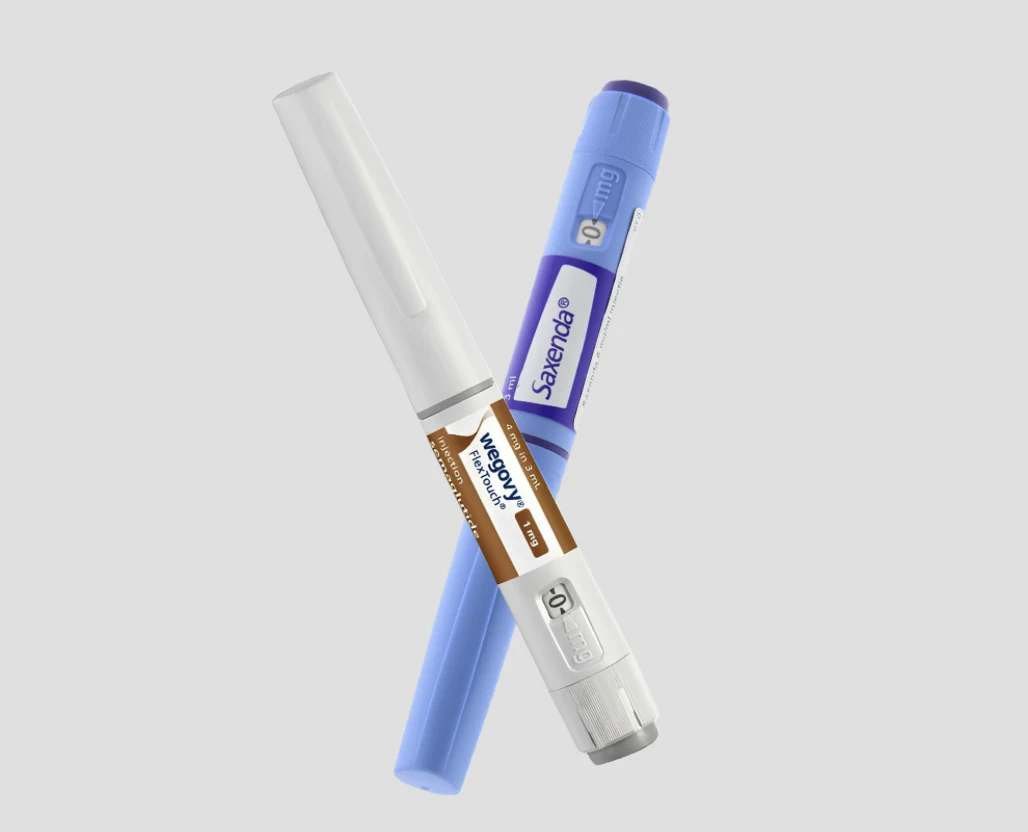

If you are starting Wegovy, or thinking about it, searching for Wegovy side effects before treatment is smart, because knowing what to expect is the best predictor of a comfortable adjustment period.
Wegovy Side Effects: The Complete Picture
Let's be honest from the start. Wegovy (semaglutide 2.4 mg) does cause side effects, and you will probably experience at least one. In STEP TEENS, the clinical trial that led to FDA approval of Wegovy for adolescents 12 and older, 79% of teens taking semaglutide reported at least one adverse event over 68 weeks [1]. That sounds alarming until you see the other half of the data: 82% of teens taking placebo also reported at least one [1]. Side effects attributable to the medication were mostly gastrointestinal, mild to moderate, and short-lived [1].
Here is the framing that matters, and it is the theme of this guide: most Wegovy side effects are temporary and manageable, not trivial, but predictable. They cluster in the first weeks after starting and after each dose increase, they respond to specific nutrition strategies, and they fade as the body adapts. Only 5% of teens in the trial stopped treatment because of side effects, statistically the same rate as placebo [1].
Key Takeaway
Full Side Effects Table: Common, Less Common, and Rare
The table below organizes semaglutide side effects in teens by how frequently they occurred in STEP TEENS, the randomized, placebo-controlled trial of 201 adolescents published in the New England Journal of Medicine [1]. Where adolescent data are unavailable, we note frequencies from the FDA prescribing information, drawn primarily from adult trials [2]. Compare each number against placebo, since teenagers get headaches and stomach bugs whether or not they take medication.
| Side Effect | On Semaglutide | On Placebo | What It Feels Like |
|---|---|---|---|
| Common (more than 10% of teens) | |||
| Nausea | 42% [1] | 18% | Queasiness, usually after eating or a dose increase; median episode 2 to 3 days |
| Vomiting | 36% [1] | 10% | Usually brief; often triggered by large or fatty meals |
| Diarrhea | 22% [1] | 19% | Loose stools, typically early in treatment |
| Headache | 17% [1] | 16% | Similar to placebo; often related to hydration |
| Abdominal pain | 15% [1] | 6% | Cramping or general stomach discomfort |
| Less common (roughly 1 to 10%) | |||
| Constipation | ~24% of adults; less precisely quantified in teens [2] | Lower | Slower digestion; responds to fiber, fluids, and movement |
| Fatigue | ~11% in adult trials [2] | Lower | Tiredness, especially during dose escalation |
| Dizziness | ~8% in adult trials [2] | Lower | Often linked to eating less or dehydration |
| Belching, bloating, gas | 6 to 9% in adult trials [2] | Lower | Related to slower stomach emptying |
| Gallstones (cholelithiasis) | 4% of teens (5 of 133) [1] | 0% | Upper right abdominal pain, especially after fatty meals; requires medical evaluation |
| Injection site reactions | Low single digits [2] | Similar | Mild redness or irritation at the injection spot |
| Rare (fewer than 1%) | |||
| Pancreatitis | 0 cases in STEP TEENS [1]; rare in adult use [2] | 0% | Severe, persistent abdominal pain radiating to the back; a medical emergency |
| Severe allergic reaction | Rare, from post-marketing reports [2] | NA | Facial swelling, trouble breathing; a medical emergency |
| Acute kidney injury | Rare, usually from severe dehydration [2] | NA | Preventable with adequate fluids during GI symptoms |
| Severe hypoglycemia | 0 cases in STEP TEENS [1]; risk mainly with diabetes medications [2] | 0% | Shakiness, sweating, confusion |
GI Side Effects: Why Nausea Happens, When It Peaks, and When It Resolves
GLP-1 medications work by slowing stomach emptying, increasing fullness signals, and quieting the constant "food noise" that drives overeating [3]. Those same mechanisms explain the side effects. When your stomach empties more slowly, a meal size that felt normal a month ago can suddenly feel like too much. The result is nausea, and if you push past fullness anyway, vomiting. Diarrhea and constipation trace back to the same shift in digestive pacing. In short, GLP-1 side effects are an exaggerated version of the medication doing its job, which is why they fade as your body recalibrates.
The timing is predictable. In STEP TEENS, nausea, vomiting, and diarrhea peaked during and shortly after the 16-week dose-escalation period, typically flaring for a few days after each dose increase before settling [1]. Individual episodes were short, a median of 2 to 3 days [1] [4].
2–3 days
was the median duration of each episode of nausea, vomiting, or diarrhea among teens on semaglutide in STEP TEENS, with GI symptoms clustering in the first 4 to 8 weeks after starting or increasing a dose, then declining as the body adjusted [1].
Wegovy nausea, the most searched side effect of this medication, deserves its own reassurance. It affected 42% of teens in the trial at some point, which means 58% never experienced it at all [1]. When it occurs, it is usually mild, tied to meals, and responsive to the nutrition strategies below. GI symptoms severe enough to end treatment occurred in only 2% of the semaglutide group [1].

Key Takeaway
Wondering if you qualify?
Check Your Eligibility →How Dose Titration Minimizes Wegovy Side Effects
If one design feature of Wegovy treatment exists specifically to protect you from side effects, it is the dose-escalation schedule.
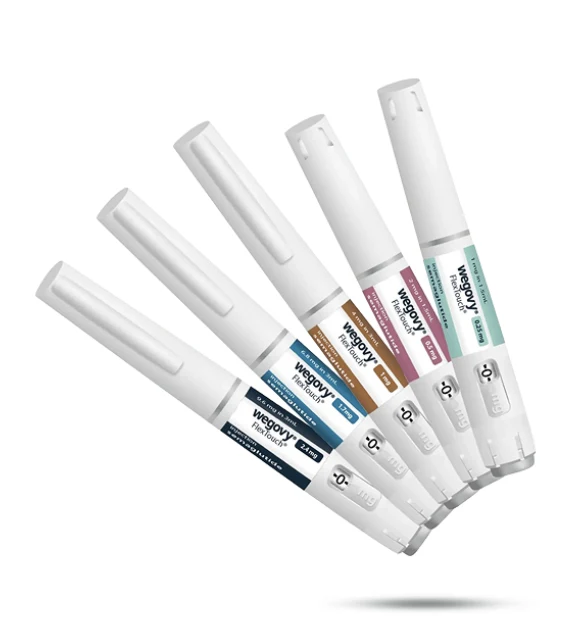
Nobody starts at the full dose. Treatment begins at 0.25 mg once weekly, intentionally low to let your digestive system acclimate. Per the FDA prescribing information, the dose then steps up every four weeks: 0.25 mg, 0.5 mg, 1 mg, 1.7 mg, and finally the maintenance dose of 2.4 mg at week 17 [2]. Each plateau gives your body a month to adapt.
| Weeks on Wegovy | Weekly Dose | What to Expect |
|---|---|---|
| Weeks 1 to 4 | 0.25 mg | Acclimation dose; mild nausea possible in the first days after each injection |
| Weeks 5 to 8 | 0.5 mg | Appetite changes become noticeable; brief GI flare possible after the increase |
| Weeks 9 to 12 | 1 mg | Fullness signals strengthen; smaller meals start feeling natural |
| Weeks 13 to 16 | 1.7 mg | Most symptom adaptation has occurred; short flare possible after the increase |
| Week 17 onward | 2.4 mg (or 1.7 mg if better tolerated) | Maintenance; side effects typically at their lowest and continue declining [1] [2] |
The schedule is also flexible by design. The FDA label allows delaying an increase by four weeks if you are struggling at a given dose, and for adolescents specifically, it permits dropping the maintenance dose from 2.4 mg to 1.7 mg if the full dose is not tolerated [2]. The outcome speaks for itself: 90% of teens in STEP TEENS completed the full 68 weeks, and 87% of completers reached the full 2.4 mg dose [1]. Escalating slowly is not a delay in your progress. It is the strategy that makes finishing possible.
Nutrition Strategies That Ease Side Effects
What and how you eat during the first months on Wegovy has a bigger effect on your comfort than almost anything else within your control. These strategies cooperate with the medication's mechanism instead of fighting it.
Hydration comes first. Nausea, vomiting, and diarrhea all pull fluid from your body, and dehydration is the pathway to the rare kidney complications on the FDA label [2]. It also worsens nausea, headaches, and fatigue. Sip water steadily through the day rather than gulping large amounts at once. If plain water is unappealing, ice chips, diluted electrolyte drinks, broth, and herbal tea all count.
Small meals, eaten slowly, beat large meals every time. Because your stomach empties more slowly on Wegovy, the most common mistake is eating at your old pace and volume. Shift to smaller portions eaten more often, and stop at the first signal of fullness. Bland, low-fat foods such as crackers, rice, toast, bananas, and soups are easiest on symptomatic days, while greasy, fried, and very sweet foods reliably make nausea worse, as does lying down right after eating [4].
Protein gets priority on your plate. This is especially important for teenagers. You are still growing, and when your appetite shrinks, every bite has to work harder. Research shows GLP-1 weight reduction includes some lean mass along with fat, and adequate protein plus resistance activity are the levers that protect muscle [5]. Build each meal around a protein source first, eggs, yogurt, chicken, fish, beans, tofu, or milk, even on low-appetite days. A clinician or dietitian can set a daily target for your growth stage and watch nutrients that commonly run low, including iron, calcium, and vitamin D [5].
When to Contact Your Doctor: Red Flags vs. Normal Adjustment
Most of what you will feel in the first months is normal adjustment. A smaller set of symptoms warrants a same-day call to your care team, and a very small set means emergency care. Knowing which is which replaces anxiety with a plan.
Normal adjustment, manage at home and mention at your next check-in: mild to moderate nausea for a few days after a dose increase, occasional vomiting after a large meal, loose stools or constipation that responds to diet changes, mild fatigue, reduced appetite, and burping or bloating [1] [2].
Call your care team promptly (same day or next day) if you notice: vomiting or diarrhea lasting more than 48 hours or preventing you from keeping fluids down; signs of dehydration such as dark urine or dizziness on standing; pain in the upper right abdomen, especially after fatty meals (possible gallbladder symptoms, which affected 4% of teens in the trial [1]); a persistently racing heartbeat at rest [2]; new or worsening sadness, hopelessness, or thoughts of self-harm [2]; or any side effect that keeps you from school, sleep, or daily life. None of these automatically means stopping treatment.
When to seek immediate medical attention
Go to an emergency room or call 911 right away for either of the following, both rare but serious [2]:
- Possible pancreatitis: severe, persistent pain in your stomach area that does not go away, with or without vomiting, sometimes radiating through to your back. Stop taking Wegovy and seek care immediately. For context: zero cases occurred in either group of the adolescent trial [1], but this symptom pattern always requires emergency evaluation.
- Severe allergic reaction: swelling of your face, lips, tongue, or throat, trouble breathing or swallowing, severe rash or hives, fainting, or a very rapid heartbeat. Stop taking Wegovy and get emergency help immediately.
If you are having thoughts of self-harm or suicide, call or text 988 (Suicide & Crisis Lifeline) now.
One more scenario: if you are scheduled for surgery or any procedure involving anesthesia, tell every clinician that you take Wegovy, since anesthesia teams follow specific precautions for GLP-1 patients [2].
Long-Term Safety: What 2+ Years of Adolescent Data Show
Short-term tolerability is one question. What families really want to know is what happens over years, so here is a candid accounting.
The foundation is STEP TEENS itself: 68 weeks of randomized treatment plus a 7-week follow-up, roughly a year and a half of rigorous observation. Over that period, semaglutide did not affect growth or pubertal development, with no clinically relevant changes in height trajectories or Tanner staging, and no differences in depression or suicidality scores between groups [1]. Beyond the trial, semaglutide has been prescribed to adolescents in routine practice since FDA approval in December 2022 [6], adding more than three years of real-world adolescent experience to over a decade of adult safety data [2]. The American Academy of Pediatrics supports offering weight management pharmacotherapy to adolescents 12 and older with obesity as an adjunct to lifestyle treatment [7].
Honesty requires naming what we do not yet know. No adolescent trial has followed participants for a decade, so questions about very long-term use and peak bone mass remain open [5] [8]. The research community is closing this gap: STEP TEENS Weight Maintenance is following roughly 500 adolescents on semaglutide for three to six years with specific monitoring of growth, body composition, and bone density [9]. Within the studied window, the adolescent safety profile matches the well-characterized adult profile with no new safety signals [1], and ongoing monitoring, height tracking, labs, and regular check-ins remain a core part of responsible treatment.
Key Takeaway
A Note for Parents

If you are reading this on behalf of your child, know that teens often under-report symptoms, either to avoid worrying you or because they fear the medication will be taken away. Create low-pressure openings: ask how the last dose increase felt, keep easy-to-tolerate foods stocked during escalation weeks, and normalize telling the care team about anything uncomfortable. Watch quietly for the red flags above, especially mood changes, persistent vomiting, or your teen skipping meals entirely. And confirm your teen's height and growth are tracked at every visit [5] [7]. A teen who feels supported rather than surveilled is far more likely to tell you when something feels wrong.
Frequently Asked Questions
How long do Wegovy side effects last?
Most side effects concentrate in the first weeks after starting and after each dose increase. In the adolescent trial, individual episodes of nausea, vomiting, and diarrhea lasted a median of 2 to 3 days, and GI symptoms peaked during the 16-week dose-escalation period before declining [1]. Most people find symptoms fade noticeably within 4 to 8 weeks at any given dose. Anything that persists or interferes with daily life warrants a call to your care team.
What helps with Wegovy nausea?
Eat smaller meals more slowly, stop at the first sign of fullness, choose bland low-fat foods such as crackers, rice, and soup, stay hydrated, avoid greasy or very sweet foods, and do not lie down right after eating [4]. If nausea persists, your physician can slow your dose-escalation schedule [2], and anti-nausea medication is sometimes prescribed short term [5].
Can Wegovy affect growth in teens?
Based on current evidence, no. In STEP TEENS, semaglutide did not affect growth or pubertal development over 68 weeks [1]. Responsible care still includes tracking height at every visit and ensuring adequate protein and nutrient intake [5] [7]. A long-term study monitoring growth and bone density in teens over 3 to 6 years is underway [9].
Is Wegovy safe for teenagers?
Wegovy is FDA-approved for adolescents ages 12 and older with obesity, based on a randomized trial in which the safety profile matched adults with no new safety concerns [1] [6]. The American Academy of Pediatrics supports offering weight management medication to eligible adolescents as part of comprehensive care [7]. Safety depends on proper screening, gradual dosing, and ongoing monitoring under a licensed physician.
Do Wegovy side effects get worse with each dose increase?
Not usually worse, but symptoms often flare briefly for a few days after each step up before settling. In the adolescent trial, GI symptoms peaked during the dose-escalation period, then declined [1]. If a dose feels unmanageable, your physician can extend your time at the lower dose, and teens can remain at 1.7 mg long term if 2.4 mg is not tolerated [2].
Does Wegovy cause mood changes or depression in teens?
The adolescent trial found no evidence of this. Psychiatric adverse events were less common with semaglutide (7%) than placebo (15%), and depression and suicidality scores showed no group differences [1]. The FDA label still advises monitoring mood [2], so report any new or worsening sadness, anxiety, or thoughts of self-harm to your care team right away.
What percentage of teens stop Wegovy because of side effects?
Only 5% of teens in STEP TEENS discontinued because of adverse events, essentially identical to the 4% rate on placebo, and GI symptoms specifically led to discontinuation in just 2% [1]. Put differently, 90% completed the full 68 weeks of treatment [1].
Can Wegovy cause pancreatitis in teens?
Pancreatitis is a recognized rare risk of GLP-1 medications on the FDA label [2], but no cases occurred in either group of the adolescent trial [1]. Because it is serious when it occurs, severe and persistent abdominal pain, sometimes radiating to the back, always warrants stopping the medication and seeking emergency care immediately.
References
- Weghuber D, Barrett T, Barrientos-Pérez M, et al. Once-Weekly Semaglutide in Adolescents with Obesity (STEP TEENS). N Engl J Med. 2022;387(24):2245–2257.
- Novo Nordisk. Wegovy (semaglutide) Injection: Full Prescribing Information. U.S. Food and Drug Administration approved labeling.
- Bensignor MO, Arslanian S, Vajravelu ME. Semaglutide for Management of Obesity in Adolescents. Curr Opin Pediatr. 2024;36(4):449–455.
- Novo Nordisk. Wegovy Side Effects and Tips for Managing Nausea. Patient information, Wegovy.com.
- Zaitoon H, Wauters AD, Rodriguez LM, Lynch JL. Beyond Weight Loss: Optimizing GLP-1 Receptor Agonist Use in Children. Children (Basel). 2025;12(11):1427.
- U.S. Food and Drug Administration. Wegovy Approval Letter for Pediatric Patients Aged 12 Years and Older. December 23, 2022.
- Hampl SE, Hassink SG, Skinner AC, et al. Clinical Practice Guideline for the Evaluation and Treatment of Children and Adolescents With Obesity. Pediatrics. 2023;151(2):e2022060640.
- Kelly AS, Arslanian S, Hesse D, et al. Reducing BMI Below the Obesity Threshold in Adolescents Treated with Once-Weekly Subcutaneous Semaglutide 2.4 mg. Obesity. 2023;31(8):2139–2149.
- Novo Nordisk A/S. STEP TEENS Weight Maintenance (NCT06571383). ClinicalTrials.gov, ongoing Phase 4 study.